

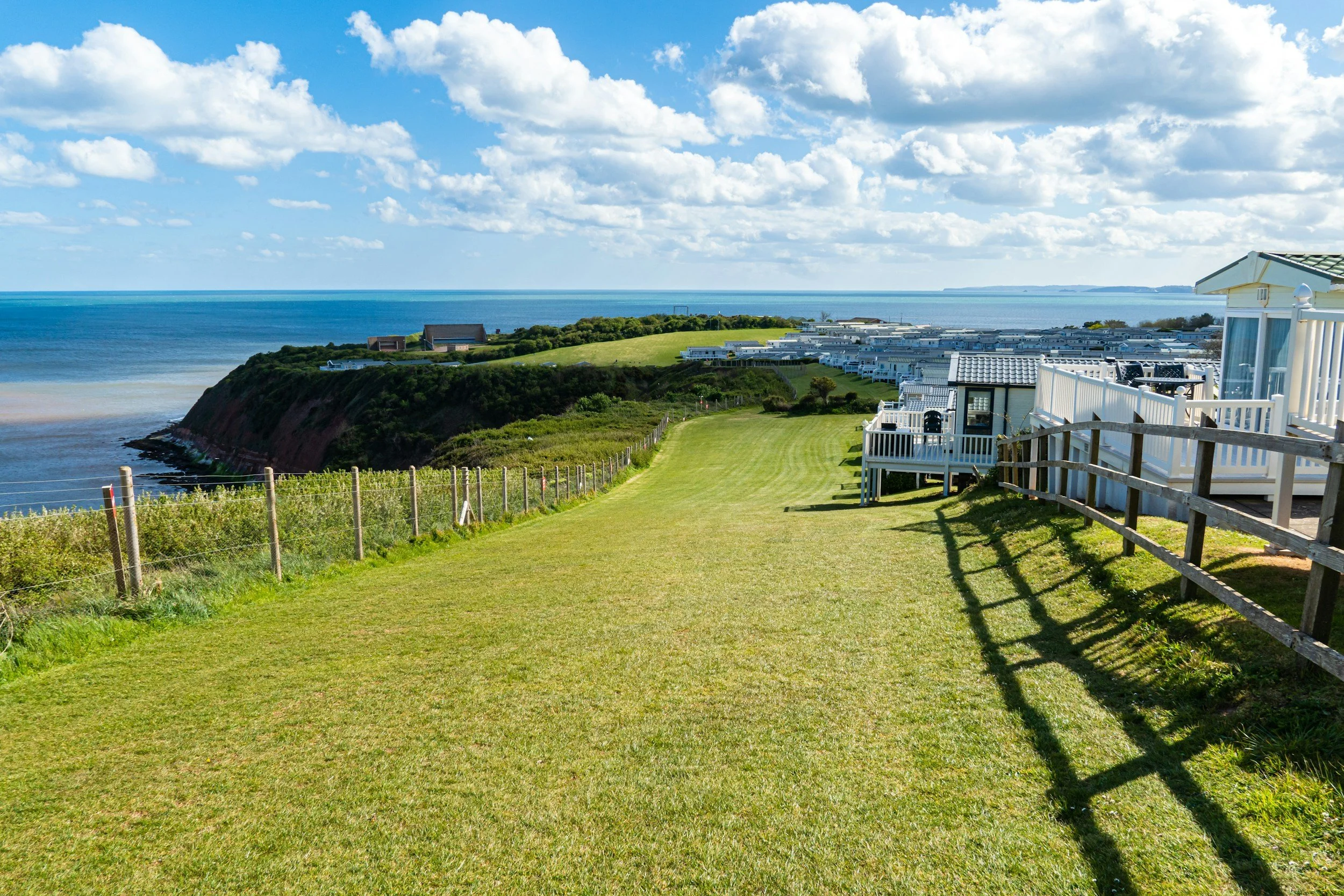
Campsite and Holiday Park Fire Risk Assessments in Cornwall
Open space does not mean low risk.
Campsites and holiday parks can combine tents, caravans, timber lodges, LPG, electrical hook-ups, vehicles and open-flame cooking across large or isolated sites.
Fire can spread quickly, particularly during dry or windy conditions.
Cornwall Fire Risk Assessments provides professional fire risk assessments for campsites, caravan parks, glamping sites and holiday parks throughout Cornwall.
Cornwall Fire Risk Assessments is the regional service of JCH Safety, an established independent health and safety consultancy operating from Praa Sands, near Penzance.
Our assessments consider the whole site, individual accommodation where appropriate, communal buildings and whether emergency arrangements remain practical during peak occupancy.
Fire Safety for Outdoor Accommodation
Cornwall has a wide variety of visitor accommodation, from small farm campsites to large holiday parks with shops, entertainment and leisure facilities.
Tent and Touring Campsites
Campsites accommodating tents, touring caravans and temporary visitor accommodation across open pitches.
Static Holiday Caravan Parks
Parks containing static holiday caravans, shared roads, service areas and communal facilities.
Motorhome and Campervan Sites
Sites used by motorhomes and campervans with electrical hook-ups, LPG, vehicles and changing occupancy.
Glamping Sites
Sites offering unusual or premium accommodation with individual heating, cooking and electrical arrangements.
Lodges and Cabins
Timber and modular accommodation containing sleeping, cooking and living facilities.
Shepherd’s Huts and Camping Pods
Compact accommodation units with limited internal space and individual escape arrangements.
Yurts, Safari Tents and Treehouses
Unusual accommodation using fabric, timber and elevated structures with distinct fire safety considerations.
Surf Camps and Group Accommodation
Visitor accommodation used by activity groups, schools, clubs and seasonal guests.
Farm and Rural Campsites
Campsites operating in agricultural or isolated settings with limited access and nearby rural hazards.
Holiday Parks with Communal Facilities
Larger parks containing reception buildings, shops, bars, pools, entertainment and leisure facilities.
Seasonal and Pop-Up Sites
Temporary and seasonal sites where infrastructure, staffing and fire precautions may change between events.
Multi-Site Holiday Operators
Operators managing several parks or accommodation sites requiring consistent assessment and reporting.
Residential park-home sites involve additional legal and management considerations and should be separately scoped.
Does a Campsite Need a Fire Risk Assessment?
Commercial campsites and holiday parks are generally subject to the Regulatory Reform (Fire Safety) Order 2005.
The responsible person must ensure that a suitable and sufficient fire risk assessment is completed, recorded and kept under review.
Fire safety requirements may also form part of planning permissions, campsite or caravan-site licences and local licence conditions.
What Does the Assessment Cover?
The assessment considers the site as a whole, individual accommodation where appropriate and any communal or commercial buildings.
- Spacing between tents, caravans, lodges and pods
- LPG cylinders and gas installations
- Electrical hook-ups and distribution equipment
- Barbecues, firepits and open flames
- Vehicles, generators and fuel storage
- Dry grass, vegetation and wildfire risk
- Refuse, recycling and arson prevention
- Fire points, extinguishers and water supplies
- Means of raising the alarm across the site
- Emergency lighting and fire safety signs
- Access for fire and rescue vehicles
- Site roads, gates and barriers
- Assembly points and evacuation arrangements
- Disabled guests and accessible accommodation
- Seasonal employees and out-of-hours cover
- Testing, maintenance and record keeping
The assessment considers whether fire precautions remain suitable during peak occupancy, dry weather, reduced staffing and out-of-hours operation.
Communal Buildings and Facilities
Holiday parks frequently contain buildings with different uses, risks and occupancy patterns.
Fire precautions should reflect the use of each building while remaining coordinated through the site’s overall emergency plan.
A procedure for a small shower block may be very different from the arrangements needed for a busy bar, entertainment venue or swimming-pool facility.
- Reception and office buildings
- Shower and toilet blocks
- Shops and cafés
- Bars, restaurants and entertainment venues
- Laundries and plant rooms
- Swimming-pool facilities
- Games rooms and children’s areas
- Workshops and maintenance stores
- Staff accommodation
- Indoor activity and meeting areas
Raising the Alarm Across the Site
A smoke alarm within one accommodation unit may warn its occupants without alerting the rest of the site.
The assessment considers how a fire would be reported and how people nearby would be warned.
Depending on the site’s size and layout, arrangements may include fire points, manual alarms, site-wide warning systems, radios or other reliable methods.
LPG, Barbecues and Electrical Hook-Ups
Gas cylinders, cooking and temporary electrical equipment are common features of camping and holiday accommodation.
- Safe positioning and storage of LPG cylinders
- Separation from ignition sources
- Condition and inspection of hook-up equipment
- Guest use of extension leads and adapters
- Charging of electric vehicles and bikes
- Charging of mobility equipment
- Restrictions on barbecues and firepits
- Procedures during hot, dry or windy weather
- Emergency isolation of gas and electricity
- Clear communication of site rules
Rules relating to gas, cooking, electrical equipment and open flames should be communicated clearly and enforced consistently.
Emergency Access in Rural Locations
Fire-service access may be affected by narrow roads, parked vehicles, locked barriers, soft ground or isolated locations.
- The correct address and postcode
- What3words or other location information where helpful
- Suitable emergency access routes
- Gate codes and barrier controls
- Water supplies and fire points
- Gas and electrical isolation controls
- Site plans and numbered pitches
- A person responsible for meeting firefighters
- Safe assembly areas
- Alternative routes if the main access is blocked
Clear site plans, pitch numbering and access information can save valuable time when emergency services are unfamiliar with the location.
Clear Reports and Practical Actions
The report can support site management and discussions with insurers, licensing officers, contractors and Cornwall Fire and Rescue Service.
Site-Specific Scope
A clear description of the site, accommodation, communal facilities, occupancy and assessment scope.
Hazards and Precautions
Identification of significant hazards, people at risk, existing precautions and photographs where helpful.
Prioritised Actions
An overall fire risk rating, clear recommendations and a practical action checklist.
Independent Professional Advice
Our service is led by a Chartered Health and Safety Practitioner and registered fire risk assessor with more than 20 years of professional experience.
We do not sell alarms, extinguishers or remedial work. Recommendations are independent, practical and proportionate to the site.
Through JCH Safety, wider health and safety support is available for holiday parks, campsites and visitor businesses.
Additional Support Through JCH Safety
Campsite and Holiday Park Assessments Across Cornwall
Supporting campsites, glamping businesses and holiday parks throughout West, Central, North and East Cornwall.
Assessments are available throughout Cornwall, including rural, coastal and isolated visitor destinations.
Coordinated visits can be arranged for operators managing several parks, campsites or holiday accommodation sites.
Request a Fixed Quotation
Whether you operate a small rural campsite, glamping business or larger holiday park, Cornwall Fire Risk Assessments can help make your responsibilities clear.
Contact us with the site location, number and type of pitches or accommodation units, communal buildings and operating season. We will confirm the scope and provide a fixed quotation.