

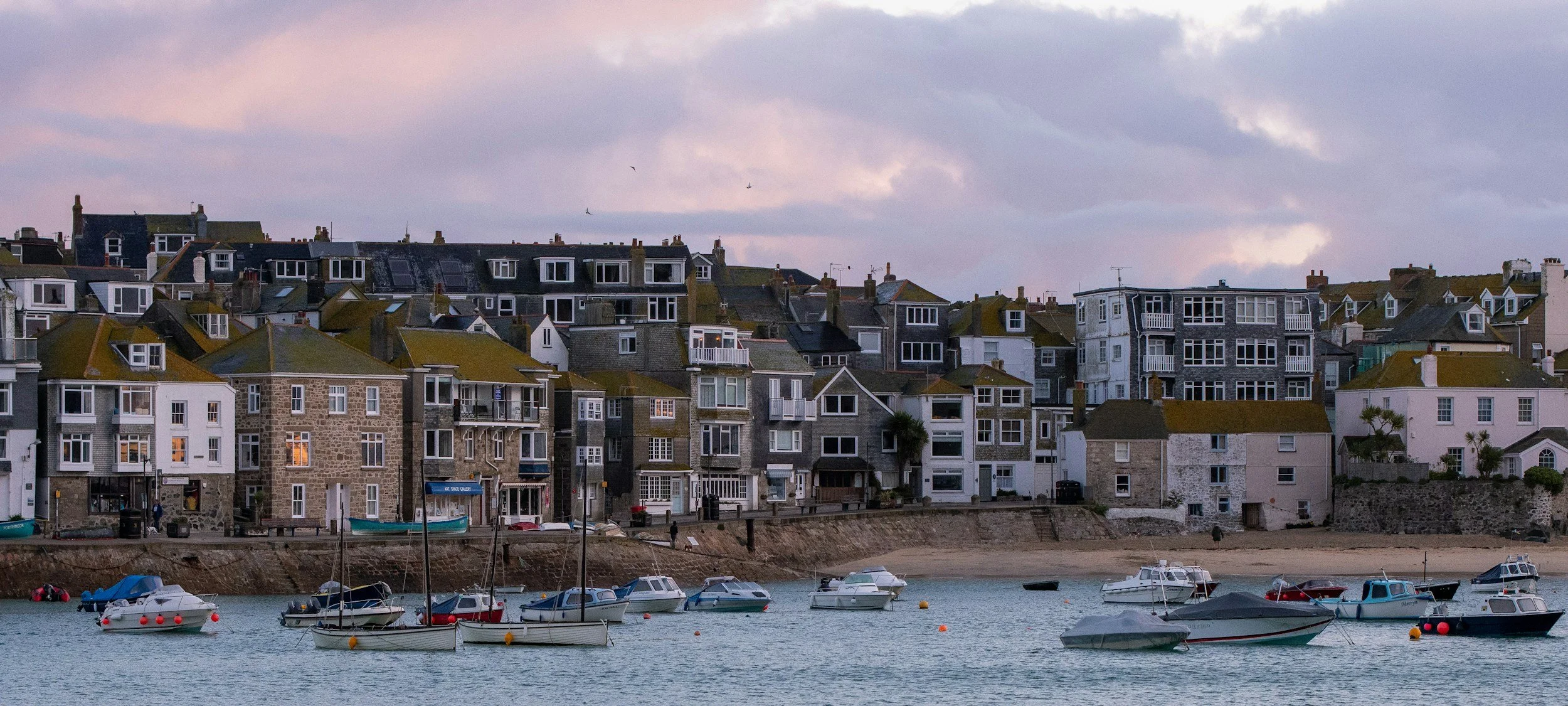
Marine, Harbour and Fishing Fire Risk Assessments in Cornwall
Fire behaves differently at the water’s edge.
Fuel, gas cylinders, hot work, battery charging, shore power and restricted access can combine with wind, tides and closely positioned boats to create demanding fire safety conditions.
Cornwall Fire Risk Assessments provides professional fire risk assessments for harbour, fishing, marine and waterside premises throughout Cornwall.
Cornwall Fire Risk Assessments is the regional service of JCH Safety, an established independent health and safety consultancy operating from Praa Sands, near Penzance.
Our service covers land-based buildings, workplaces and areas managed by harbour authorities, marina operators, fishing businesses and other responsible organisations.
Fire Safety for Cornwall’s Marine Businesses
Supporting marine, harbour and waterside organisations with clear, practical and independent fire safety advice.
Harbours and Harbour Buildings
Harbour-authority premises, offices, stores, welfare facilities and shared operational areas.
Marinas and Marina Offices
Offices, reception buildings, storage areas and facilities supporting marina users and visiting vessels.
Boatyards and Workshops
Marine workshops, repair areas, hot-work locations and buildings used for boat maintenance.
Fishing Businesses
Fishing premises, fish-processing areas, storage facilities and associated harbour operations.
Marine Retail and Clubs
Chandlers, marine retail units, yacht clubs, sailing clubs and boat-storage buildings.
Harbourside Premises
Passenger waiting areas, restaurants, cafés, shops and workshops close to pontoons or moorings.
Different Surroundings, Familiar Responsibilities
The Regulatory Reform (Fire Safety) Order 2005 applies to relevant workplaces, commercial buildings and areas under the control of an employer, operator, landlord or other responsible person.
Ports and harbours can involve several organisations working alongside each other. Harbour authorities, tenants, contractors, vessel operators and commercial businesses may all hold responsibilities and must cooperate where their activities affect shared fire safety arrangements.
Larger ports and marine facilities may also operate within the principles of the Ports and Marine Facilities Safety Code, alongside wider health and safety legislation and local harbour requirements.
What Does the Assessment Consider?
Every marine site is different, but the assessment may consider a wide range of relevant hazards.
- Petrol, diesel and other fuels
- LPG and compressed-gas cylinders
- Welding, cutting and other hot work
- Battery charging and shore-power connections
- Electrical equipment exposed to moisture or salt
- Paints, solvents, resins and flammable substances
- Engine maintenance and repair activities
- Combustible boats, covers and packaging
- Waste oil, fishing equipment and stored materials
- Commercial kitchens and harbourside catering
- Smoking and public access
- Arson and out-of-hours security
The assessment will also consider escape routes, fire alarms, emergency lighting, extinguishers, fire-service access, isolation controls and the availability of information during an emergency.
Hot Work, Fuel and Changing Conditions
Work involving welding, grinding, cutting or heat can create a significant risk in boatyards, workshops and harbour areas. Hot-work controls should consider nearby vessels, fuel systems, combustible construction and the possibility of sparks travelling into concealed or inaccessible spaces.
Fuel and gas storage may also require assessment under the Dangerous Substances and Explosive Atmospheres Regulations. Where a specialist DSEAR assessment or hazardous-area classification is required, this will be clearly identified.
Conditions can change quickly. Seasonal activity, visiting contractors, temporary storage and changes in vessel numbers may all affect the risk and should be reflected in day-to-day controls.
Emergency Arrangements at the Water’s Edge
Fire-service access may be restricted by narrow harbour roads, parked vehicles, locked gates, tides or crowded working areas.
- How the alarm is raised across an open site
- Calling and meeting the emergency services
- Access through gates and barriers
- Fuel and electrical isolation controls
- Hydrants and other water supplies
- Evacuation from pontoons and isolated areas
- Accounting for employees, contractors and visitors
- Preventing spread to neighbouring premises or vessels
Our assessment considers whether the arrangements are practical for the individual site rather than relying on a generic procedure.
What About Fishing Vessels and Boats?
Our standard fire risk assessment service covers land-based buildings, workplaces and areas within the control of the harbour, marina or business operator.
Fire safety aboard commercial ships and fishing vessels is governed by separate maritime requirements overseen by the Maritime and Coastguard Agency. The applicable rules depend on the vessel’s type, use and size.
The MCA provides specific guidance on fire prevention aboard ships and safety requirements for fishing vessels.
Where specialist vessel inspection, certification or maritime advice is needed, we will clearly identify this and help the client understand what type of competent marine specialist should be appointed.
Clear Reports and Practical Priorities
Your report is designed to help managers, harbour authorities and maintenance teams understand what should be addressed first.
Clear Scope
A description of the premises, its activities and the areas included within the assessment.
Detailed Findings
Fire hazards, people at risk, existing precautions and photographs where helpful.
Prioritised Actions
An overall fire risk rating, clear recommendations and a practical action checklist.
Independent Professional Advice
Our service is led by a Chartered Health and Safety Practitioner and registered fire risk assessor with more than 20 years of professional experience.
We provide independent advice and do not sell alarms, extinguishers or remedial building work.
Through JCH Safety, additional support can also be provided with health and safety audits, DSEAR advice, contractor management, risk assessments and safe working procedures.
Marine Fire Risk Assessments Across Cornwall
Supporting marine, harbour and waterside premises throughout Cornwall and the surrounding coastal communities.
Penzance, Newlyn, Mousehole, St Ives, Hayle, Falmouth, Penryn, Truro, Newquay, Padstow, Fowey, Mevagissey, Looe, Polperro and surrounding areas.
Request a Quotation
Whether you manage a harbour, operate a boatyard, run a fishing business or occupy commercial premises beside the water, we can help you understand and manage your fire safety responsibilities.
Contact Cornwall Fire Risk Assessments with details of the site, its activities, buildings and any fuel or hazardous-material storage. We will confirm the scope and provide a fixed quotation.