

HMO Fire Risk Assessments in Falmouth, Truro and Across Cornwall
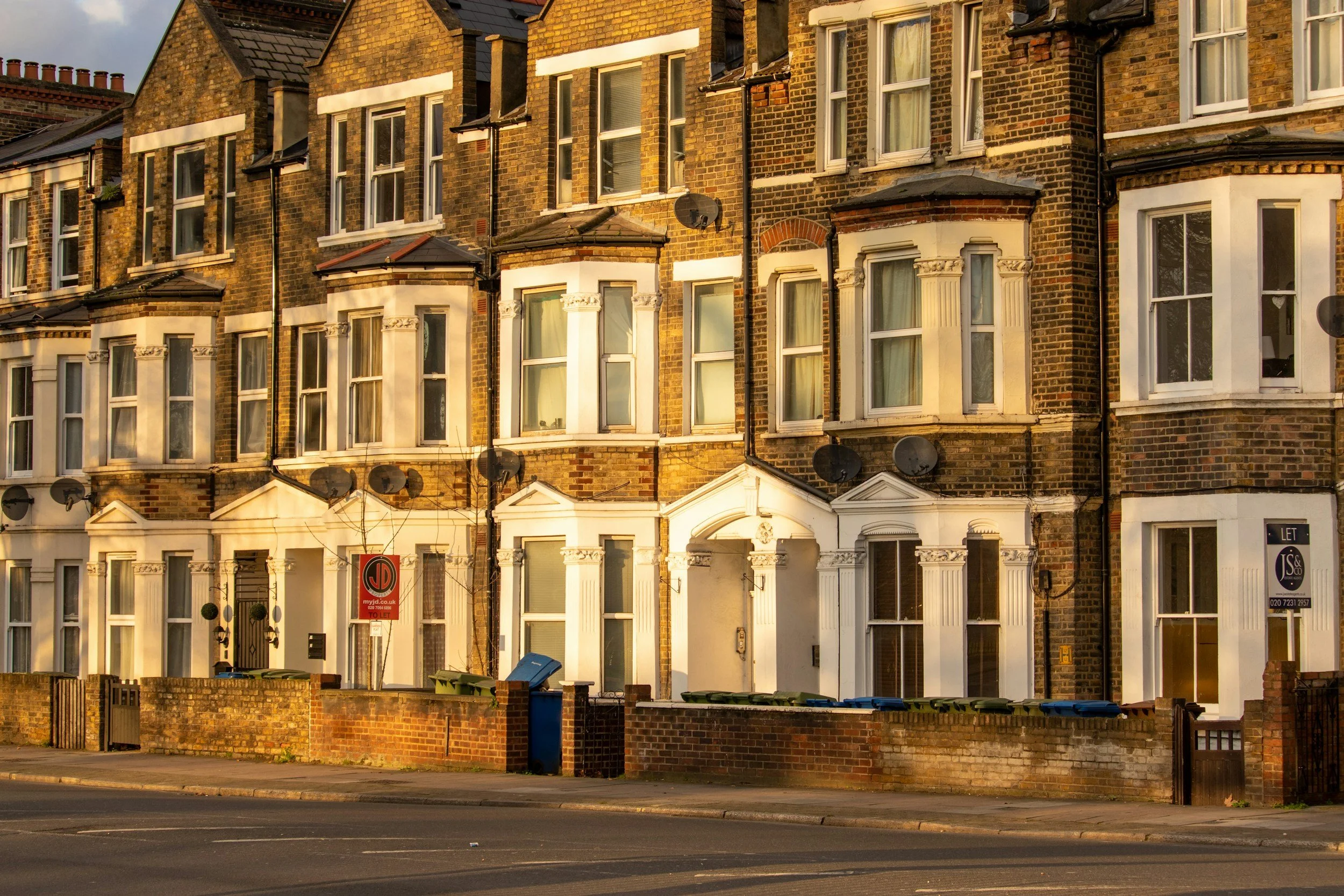
If you own or manage a house in multiple occupation (HMO), you have important responsibilities for the fire safety of your tenants and the building.
This will normally include ensuring that a suitable and sufficient fire risk assessment is completed, kept under review and supported by appropriate fire precautions.
Cornwall Fire Risk Assessments by JCH Safety provides professional HMO fire risk assessments in Falmouth, Truro and throughout Cornwall, with assessments starting from £200 plus VAT.
We can also assess communal areas of blocks of flats, converted residential properties, staff accommodation and other buildings containing living or sleeping accommodation.
Does an HMO Need a Fire Risk Assessment?
A house in multiple occupation – usually known as an HMO – is generally a property occupied by at least three people from more than one household who share facilities such as a kitchen, bathroom or toilet.
This can include:
Shared houses
Student accommodation
Bedsits
Staff accommodation
Some converted properties
Buildings containing a mixture of shared and self-contained accommodation
The communal areas of an HMO can fall within the scope of the Regulatory Reform (Fire Safety) Order 2005. The Responsible Person – which may be the landlord, freeholder or managing agent – has duties to ensure that fire risks are properly assessed and appropriate precautions are maintained.
HMOs are also subject to housing legislation, including the Housing Act 2004.
Some properties require an HMO licence, but whether a property requires licensing and whether fire-safety duties apply are separate questions. A property does not necessarily have to be a licensable HMO for fire-safety responsibilities to exist.
What Does an HMO Fire Risk Assessment Cover?
An HMO fire risk assessment considers the building, its occupants and the way the property is managed.
It is much more than simply checking whether smoke alarms have been fitted.
Depending on the property, an assessment will commonly consider:
Fire detection and alarm arrangements
Escape routes, stairs and final exits
Fire doors and self-closing devices
Fire-resisting walls, floors and ceilings
Fire stopping around pipes, cables and other services
Emergency lighting
Electrical and heating arrangements
Cooking and smoking risks
Combustible storage and waste
Information provided to residents
Testing, servicing and management records
Arrangements for occupants who may require assistance
Where shortcomings are identified, your report should clearly explain the issue and provide practical, prioritised recommendations.
The aim isn't simply to produce a list of faults. A good assessment should help you understand what needs attention, why it matters and what should be prioritised.
Fire Risk Assessments for Blocks of Flats
Fire-safety responsibilities aren't limited to HMOs.
The Fire Safety Order also applies to the communal parts of buildings containing two or more domestic premises.
Depending on the building, an assessment may therefore include areas such as:
Entrance halls
Corridors and landings
Communal stairways
Meter cupboards
Plant rooms
Bin and refuse stores
Shared facilities
Internal and external escape routes
Relevant aspects of the building's structure, external walls and flat entrance doors may also need to be considered.
Many purpose-built blocks of flats operate a stay-put evacuation strategy. However, the suitability of that strategy relies heavily on effective compartmentation and appropriate fire-resisting construction, including suitable flat entrance doors.
Converted properties, older buildings or premises where fire separation has been compromised may require different arrangements.
A competent fire risk assessment should therefore consider whether the evacuation strategy is appropriate for the building as it actually exists rather than making assumptions based purely on its age, size or type.
Common Fire-Safety Issues in Cornwall's Residential Properties
Cornwall has a varied residential property market, and this is particularly noticeable in areas such as Falmouth and Truro.
Student houses, traditional terraces, converted buildings, flats above commercial premises and purpose-built blocks can all present different fire-safety considerations.
Issues that may be identified during a residential fire risk assessment include:
Fire doors that don't close correctly
Missing, damaged or unsuitable smoke seals
Gaps or openings around pipes, cables and services
Escape routes obstructed by storage
Inadequate or unsuitable fire detection
Missing or poorly maintained emergency lighting
Final exits that cannot be opened easily
Unclear evacuation arrangements
Combustible materials stored within communal areas
Incomplete testing and maintenance records
Older and converted buildings can require particular attention.
Properties may have been extended, subdivided or altered several times during their lives. Those alterations can affect escape routes or create weaknesses in fire-resisting construction that aren't immediately obvious.
Mixed-use buildings can introduce further considerations. For example, flats situated above a restaurant, shop or other commercial premises may require consideration of the fire risk presented by the accommodation below.
HMO Fire Risk Assessments in Falmouth
Falmouth has a substantial rental market, including student accommodation, shared houses and converted residential properties.
HMOs can have several separate occupiers, complex layouts and a mixture of old and new construction.
A professional HMO fire risk assessment in Falmouth can help landlords and property managers establish whether escape routes, fire doors, alarm systems, emergency lighting and other precautions remain appropriate for the way their property is actually occupied.
This is particularly important where a property has changed use, undergone alterations or has an older fire risk assessment that may no longer reflect the building.
We also provide assessments in Penryn and the surrounding Falmouth area, including properties used for student and other shared accommodation.
HMO and Residential Fire Risk Assessments in Truro
JCH Safety also provides HMO and residential fire risk assessments in Truro and the surrounding area.
Assessments are available for individual landlords, managing agents, freeholders and property portfolios.
This can include:
HMOs and shared houses
Blocks of flats
Converted residential buildings
Staff accommodation
Communal residential areas
Mixed residential and commercial premises
Whether you are responsible for one property or a larger portfolio, the assessment will be based on the individual building rather than a generic residential checklist.
How Much Does an HMO Fire Risk Assessment Cost in Cornwall?
HMO and residential fire risk assessments start from £200 plus VAT.
The final cost will depend on factors including the property's size, layout, use, number of floors and occupants, location and the scope of assessment required.
We will provide a clear quotation before arranging the visit.
Importantly, our assessments are independent. There is no obligation or pressure to purchase fire alarms, extinguishers or other fire-safety products from us as a result of the assessment.
This allows recommendations to be based on what we believe the property actually requires.
Why Choose Cornwall Fire Risk Assessments by JCH Safety?
Choosing a fire risk assessor should be based on competence and experience, particularly when residential and sleeping accommodation is involved.
Cornwall Fire Risk Assessments is operated by JCH Safety Ltd, an established health and safety consultancy.
Our fire risk assessments are completed by a highly qualified and experienced assessor whose professional credentials include:
Registered Fire Risk Assessor with the National Fire Risk Assessors Register (NFRAR)
Chartered Health and Safety Practitioner
Associate of the Institution of Fire Engineers (IFE)
Specialist Member of IIRSM
CFPA Europe Diploma in Fire Prevention
More than 20 years' experience in health, safety and fire risk management
Clients receive a clear written report with prioritised recommendations and, importantly, direct access to the person who carried out the assessment if there are questions afterwards.
Every property is considered individually. Recommendations reflect the building, its occupants, its management arrangements and the level of risk rather than simply applying a generic residential checklist.
Book an HMO Fire Risk Assessment in Cornwall
If you own or manage an HMO, block of flats, converted property or other residential accommodation, we can help you understand the fire risks within the building and the precautions that may be required.
We provide HMO fire risk assessments in Falmouth, Truro, Penryn, Redruth, Camborne, Helston, St Austell and throughout Cornwall, with assessments starting from £200 plus VAT.
To request a quotation, tell us a little about the property, including its location, approximate size, number of floors, number of occupants and how it is used.
Professional, independent fire risk assessments for Cornwall's landlords, freeholders and residential property managers.
Cornwall Fire Risk Assessments by JCH Safety
HMO Fire Risk Assessments | Residential Fire Risk Assessments | Fire Safety Advice | Landlord Fire Safety