

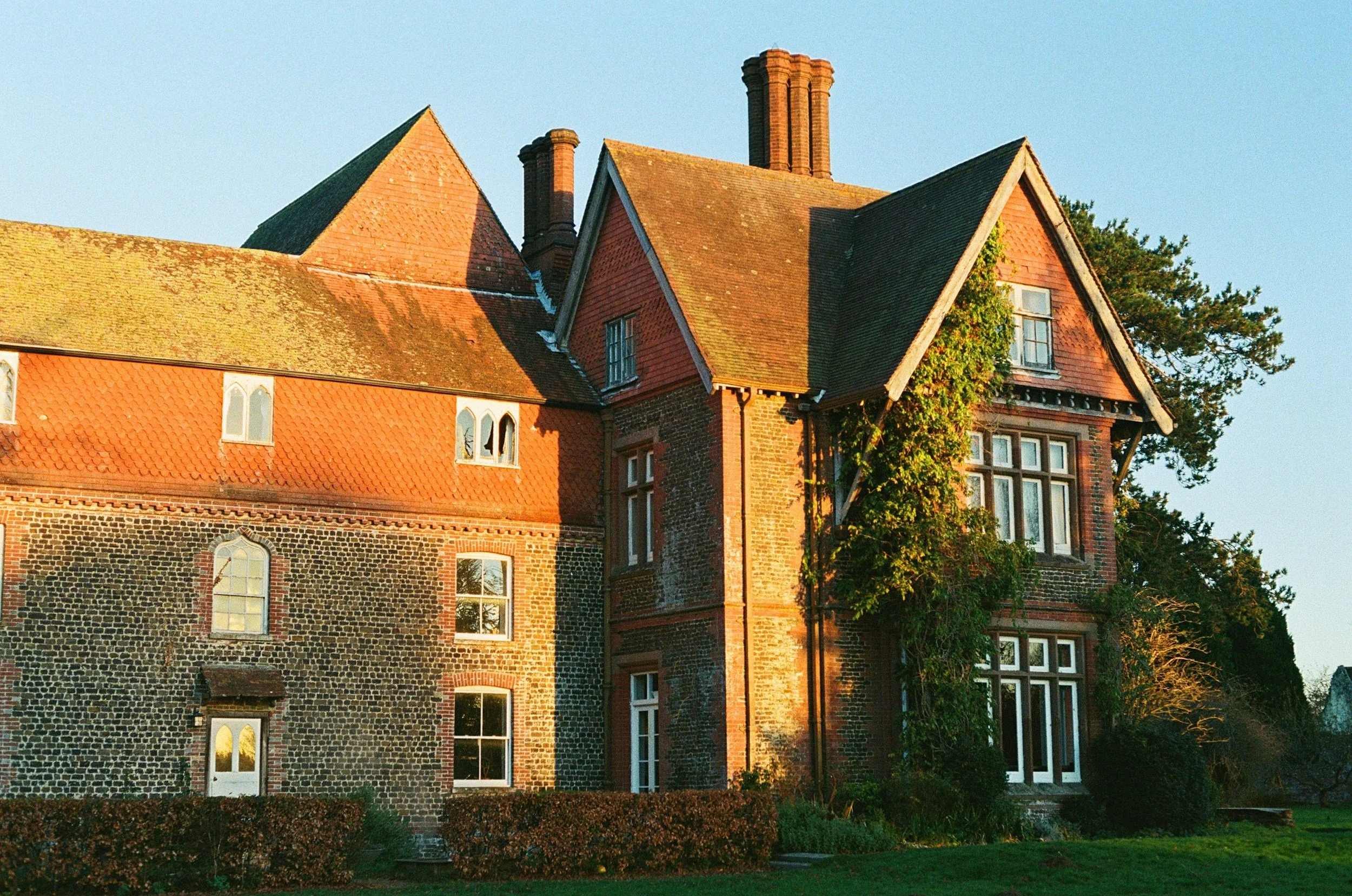
Care Home Fire Risk Assessments in Cornwall
When residents may be unable to evacuate independently, fire safety must be carefully planned, maintained and understood.
Cornwall Fire Risk Assessments provides professional fire risk assessments for residential care homes, nursing homes and supported care premises throughout Cornwall.
We help care providers evaluate their buildings, evacuation arrangements and management systems, providing clear priorities for protecting residents, employees and visitors.
Cornwall Fire Risk Assessments is the regional service of JCH Safety, an established independent health and safety consultancy operating from Praa Sands, near Penzance.
Our assessments consider the needs of residents, the construction of the building, staffing levels and whether the evacuation strategy can work safely during both daytime and overnight conditions.
Fire Safety in Residential Care
Care homes present a higher level of life risk because residents may be asleep, have limited mobility or be unable to recognise and respond to an alarm without assistance.
Resident Needs and Dependency
The assessment considers mobility, cognitive ability, medical needs and the level of assistance residents require during an evacuation.
Day and Night Staffing
Staffing arrangements are considered during normal daytime operation, minimum night cover, breaks and shift changes.
Building Construction
Fire doors, walls, floors and compartments are considered in relation to the evacuation strategy and resident safety.
Evacuation Strategy
The assessment reviews how residents are expected to move to safety and whether the proposed arrangements are realistic.
Movement to Safety
The time, staff and equipment required to move residents using beds, wheelchairs or mobility aids are considered.
Medical Equipment and Oxygen
Oxygen, airflow mattresses, mobility equipment and other medical devices can introduce additional hazards and evacuation considerations.
Staff Training
Employees need to understand the fire strategy, their responsibilities and how to support residents safely.
Emergency Leadership
Clear leadership and decision-making arrangements are essential during nights, weekends and periods of reduced management cover.
The responsible person must ensure that a suitable and sufficient fire risk assessment is completed, recorded and kept under review under the Regulatory Reform (Fire Safety) Order 2005.
More Than a Building Assessment
In residential care, physical fire precautions and management arrangements must work together.
A building may have suitable alarms, fire doors and protected areas, but the evacuation strategy still needs enough trained employees to support residents safely.
Our assessment considers both the condition of the premises and the care provider’s practical ability to respond during an emergency.
What Does the Assessment Cover?
The assessment considers both the physical building and the ability of employees to protect residents during an emergency.
- Electrical, heating, cooking and laundry hazards
- Smoking arrangements and individual resident risks
- Emollient products, oxygen and medical equipment
- Fire alarm coverage and audibility
- Staff alerting and alarm investigation arrangements
- Fire doors, walls and compartmentation
- Protected escape routes and final exits
- Emergency lighting and fire safety signs
- Extinguishers and fixed firefighting systems
- Sprinklers and smoke-control systems where provided
- Residents requiring assistance
- Staffing levels and evacuation capability
- Training, drills and scenario exercises
- Testing, servicing and maintenance
- Fire-service access and emergency information
The assessment looks at whether these precautions work together as part of a clear and realistic fire safety strategy.
Can the Evacuation Strategy Work at Night?
This is one of the most important questions in any care-home fire risk assessment.
Many care homes use progressive horizontal evacuation, moving residents from an affected area into an adjoining fire-resisting compartment before considering movement to another floor or outside.
This strategy depends on reliable detection, effective compartmentation and enough trained employees to move residents safely.
- Minimum night staffing levels
- Doors that may be closed or secured
- Several residents requiring significant assistance
- Residents using beds, wheelchairs or mobility aids
- Smoke affecting a normal evacuation route
- Staff breaks and shift changes
Evacuation arrangements should be supported by realistic training and exercises without exposing residents to unnecessary risk.
Individual Resident Risks
Building-wide precautions may not fully address the risks associated with individual residents.
- Residents who smoke
- Residents who use oxygen
- Residents using airflow mattresses
- Regular use of paraffin-based emollients
- Reduced mobility
- Sight or hearing impairments
- Dementia or cognitive conditions
- Difficulty understanding evacuation instructions
- Resistance to evacuation or movement
- Specialist moving and handling needs
Relevant controls should be reflected within care planning and communicated to the employees responsible for implementing them.
Fire Doors and Compartmentation
Fire-resisting walls, floors and doors are central to many residential care evacuation strategies.
They help contain fire and smoke long enough for residents to be moved into another compartment or safer area.
Damage, poorly fitting doors, unsealed service penetrations or unsuitable alterations can weaken this protection and affect the assumptions behind the evacuation strategy.
Clear Reports and Practical Priorities
The report is designed to help registered managers, responsible individuals, facilities teams and senior leaders understand what requires action and monitor progress.
Detailed Assessment
A clear description of the premises, resident needs, assessment scope and evacuation strategy.
Hazards and Precautions
Identification of significant hazards, people at risk, existing precautions and photographs where helpful.
Prioritised Actions
An overall fire risk rating, clear recommendations and a practical action checklist.
Findings include consideration of the evacuation strategy, staffing capability and whether the existing precautions adequately support resident safety.
Independent Professional Assessment
Our service is led by a Chartered Health and Safety Practitioner and registered fire risk assessor with more than 20 years of professional experience.
We do not sell fire alarms, extinguishers or remedial building work. Advice is independent and based on the needs of the premises and its residents.
Where the building or evacuation arrangements require specialist input beyond a standard assessment, this will be identified clearly.
Additional Support Through JCH Safety
Care Home Fire Risk Assessments Across Cornwall
Supporting residential care homes, nursing homes and care providers throughout Cornwall.
Penzance, St Ives, Hayle, Helston, Falmouth, Truro, Newquay, Redruth, Camborne, St Austell, Bodmin, Wadebridge, Liskeard, Launceston, Bude and surrounding areas.
Coordinated assessment programmes can be arranged for care providers operating several services.
Request a Quotation
Whether you operate a small residential home or manage a larger care portfolio, Cornwall Fire Risk Assessments can help you evaluate your arrangements and identify clear priorities.
Contact us with the premises location, number of residents, building layout and typical staffing levels. We will consider the complexity of the premises, confirm whether it falls within our assessment capability and provide an appropriate quotation.