

Holiday Let and Airbnb Fire Risk Assessments in Cornwall
If you provide accommodation to paying guests, fire safety law applies.
This includes holiday cottages, Airbnb properties, self-catering accommodation, guest houses, lodges, cabins, glamping units and other short-term lets.
Cornwall Fire Risk Assessments by JCH Safety provides professional, property-specific fire risk assessments for holiday accommodation throughout Cornwall.
We help owners, operators and managing agents understand their responsibilities, protect their guests and identify the precautions appropriate for their property.
Cornwall Fire Risk Assessments is the regional fire safety service of JCH Safety, an established independent health and safety consultancy operating from Praa Sands, near Penzance.
Our approach combines regional availability with extensive professional fire safety experience and advice tailored to the individual property.
Does a Holiday Let Need a Fire Risk Assessment?
Yes. The Regulatory Reform (Fire Safety) Order 2005 applies when accommodation is provided to paying guests.
The person responsible for operating or controlling the property must ensure that a suitable and sufficient fire risk assessment is completed, recorded and acted upon.
This applies whether bookings are made directly, through Airbnb or through another holiday-letting platform. It may also apply where only part of a home is offered to paying guests.
Fire Safety for Cornish Holiday Accommodation
Cornwall’s holiday properties vary significantly in age, construction, layout and occupancy.
Traditional Cottages
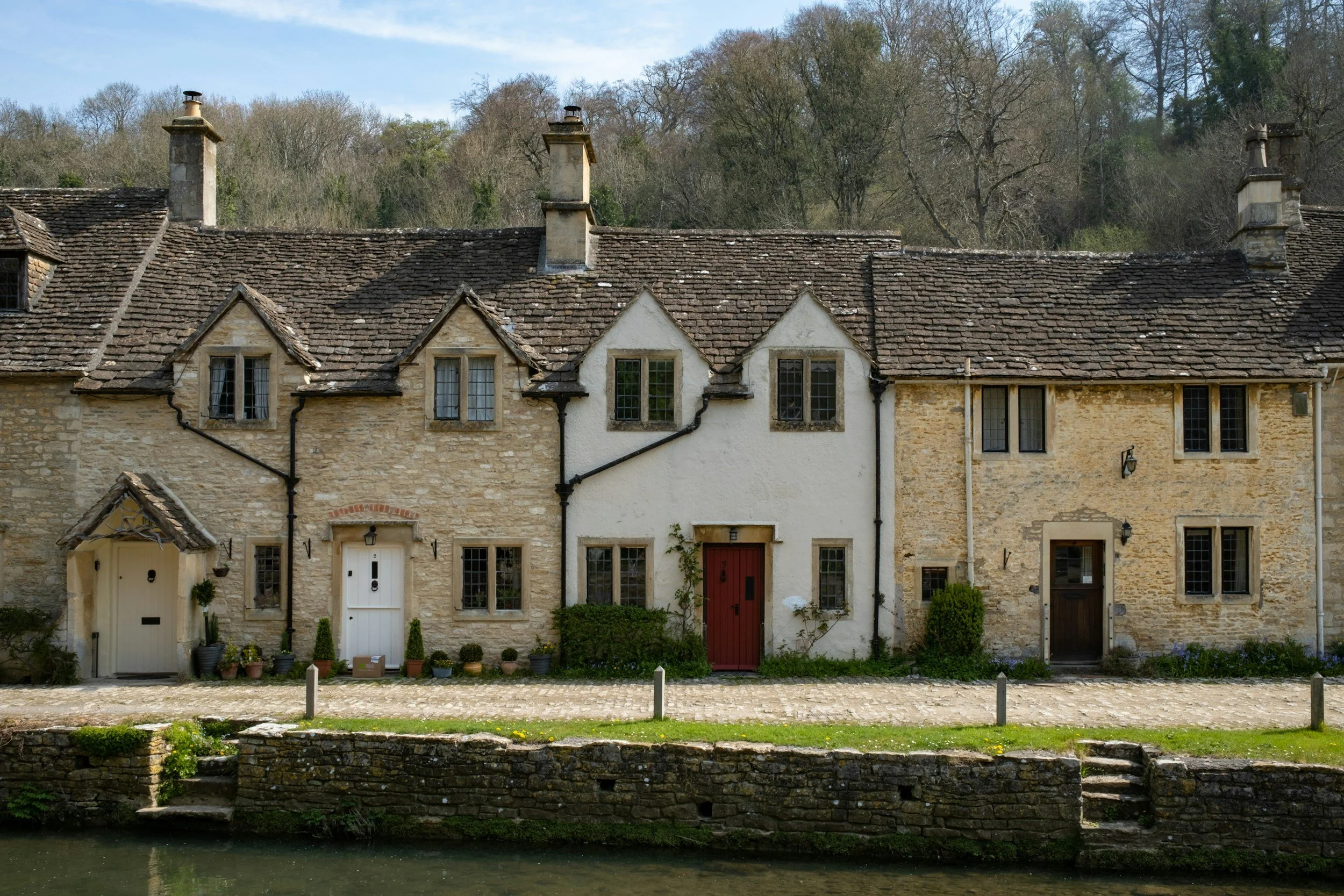
Stone cottages and older properties with narrow stairs, unusual layouts, fireplaces or limited escape options.
Converted Barns
Rural accommodation created within agricultural buildings, often with open-plan spaces and altered construction.
Coastal Apartments
Flats and apartments with shared access, communal areas, external walkways or managed building arrangements.
Farm Accommodation
Holiday units located on working farms or rural sites with nearby machinery, fuel, barns or agricultural activity.
Lodges and Cabins
Timber or modular accommodation with individual heating, cooking and escape arrangements.
Glamping Units
Pods, shepherd’s huts and other unusual accommodation with compact layouts and potentially isolated locations.
Large Group Properties
Larger homes accommodating groups or extended families, where occupancy and escape arrangements need careful review.
Multi-Unit Sites
Several letting units within one building or site, including shared access, services and management arrangements.
A generic checklist may not adequately address older construction, open stairways, log burners, unusual layouts, isolated locations or escape routes unfamiliar to guests.
What Does the Assessment Cover?
The assessment considers the actual property, its intended occupancy and how guests would escape if a fire occurred.
- Sources of ignition, heating and cooking arrangements
- Electrical safety and portable appliances
- Open fires, log burners and chimney maintenance
- Smoke alarms and other fire detection
- Escape routes, stairs and final exits
- Fire doors and protection of sleeping accommodation
- Emergency lighting and fire safety signs where required
- Fire extinguishers and fire blankets
- Guest fire safety information and emergency instructions
- Carbon monoxide detection
- External hazards, refuse, barbecues and arson risk
- Maintenance, testing and record keeping
- Children, older guests and people requiring assistance
- Access and information for the fire and rescue service
The precautions required depend on the size, construction, layout and occupancy of the accommodation. We take a proportionate approach and do not recommend unnecessary work or equipment.
Clear Reports and Practical Actions
Your report is designed to be clear, usable and suitable for managing ongoing fire safety.
Property and Scope
A description of the accommodation, assessment scope and the people who may be at risk.
Existing Precautions
A review of existing arrangements, significant findings and photographs where helpful.
Prioritised Actions
An overall fire risk rating and a clear action plan with reasonable completion timescales.
The report can support ongoing management, discussions with contractors and evidence of your approach to fire safety.
Small, Unusual and Complex Holiday Properties
Professional assistance may be especially helpful where the building or its use is less straightforward.
- The property is old, listed or unusually constructed
- Guest bedrooms are above ground-floor level
- Escape routes pass through other rooms
- There are open-plan stairs or complex layouts
- The property accommodates larger groups
- Several letting units occupy the same building or site
- There are shared corridors, stairs or walkways
- The accommodation includes converted outbuildings
- You are unsure whether alarms or doors are sufficient
- An insurer or enforcing authority has requested an assessment
Where a property is larger or more complex, we will explain the appropriate assessment approach before confirming the quotation.
Why Choose Cornwall Fire Risk Assessments?
Our service is led by a Chartered Health and Safety Practitioner and registered fire risk assessor with more than 20 years of professional health and safety and fire risk assessment experience.
Advice is independent, proportionate and specific to the property. We are not linked to the sale of alarms, extinguishers or remedial work.
Support remains available after the assessment if you need help understanding findings or considering suitable solutions.
What Clients Can Expect
Holiday Let Fire Risk Assessment Costs
Professional holiday let fire risk assessments in Cornwall start from £250 plus VAT. Your fixed quotation will reflect the property’s size, layout, guest capacity, complexity and location.
Portfolio pricing is available where several properties can be inspected efficiently during the same visit. Each holiday let still receives its own property-specific assessment and findings.
Holiday Let Fire Risk Assessment FAQs
Does Airbnb complete the fire risk assessment?
No. Responsibility remains with the person operating or controlling the accommodation. Listing through Airbnb or another platform does not replace the requirement to assess and manage fire risk.
Can I complete the assessment myself?
Operators of some small and straightforward properties may complete their own assessment where they are confident that they can understand and apply the relevant guidance correctly. A competent assessor should be appointed where the building, risks or required precautions are less straightforward.
How often should it be reviewed?
The assessment should be kept under review and updated following alterations, changes in occupancy, new equipment, changes to escape arrangements, a fire or near miss, or any reason to believe it is no longer valid. An annual documented review is sensible for actively operated accommodation.
Do I need a separate assessment for every property?
Each property must be properly considered. Similar properties may share management arrangements, but differences in construction, layout, occupancy and escape routes must still be recorded.
Will I need expensive alterations?
Not necessarily. Fire precautions should be proportionate to the risk and characteristics of the accommodation. Our role is to explain what is reasonably required and avoid unnecessary recommendations.
Holiday Let Assessments Across Cornwall
Supporting holiday accommodation owners, operators and managing agents throughout Cornwall.
Penzance, St Ives, Hayle, Helston, Falmouth, Truro, Newquay, Redruth, Camborne, St Austell, Bodmin, Wadebridge, Padstow, Liskeard, Launceston, Bude and surrounding rural and coastal communities.
Coordinated assessments can be arranged for owners and operators managing several holiday properties.
Book a Holiday Let Fire Risk Assessment
Whether you operate a single coastal cottage, an Airbnb apartment, a converted barn or a portfolio of holiday accommodation, Cornwall Fire Risk Assessments can provide clear and proportionate advice.
Tell us the location, number of bedrooms, maximum guest occupancy and whether the property has any unusual features. We will confirm the scope and price before arranging the visit.