

Fire Risk Assessments for Medical, Dental, Pharmacy and Veterinary Premises
Clinical care comes first—but safe care depends on a safe building.
Cornwall Fire Risk Assessments provides professional fire risk assessments for medical clinics, pharmacies, dental practices and veterinary premises throughout Cornwall.
We consider the building, its equipment and the needs of patients, customers, employees and animals, producing a clear report with practical priorities.
Cornwall Fire Risk Assessments is the regional service of JCH Safety, an established independent health and safety consultancy operating from Praa Sands, near Penzance.
Our assessments consider both the physical premises and the practical arrangements needed to protect people who may require assistance during an emergency.
Fire Safety for Clinical Premises
Healthcare and veterinary businesses can contain specialist equipment, medical gases, medicines, chemicals and people who may need support during an evacuation.
GP and Medical Practices
Medical practices with consultation rooms, treatment areas, waiting rooms, staff facilities and clinical equipment.
Private Clinics
Independent clinics providing consultations, procedures, treatments and specialist healthcare services.
Pharmacies
Customer-facing pharmacies with medicines, consultation rooms, refrigeration and controlled storage.
Dental Practices and Laboratories
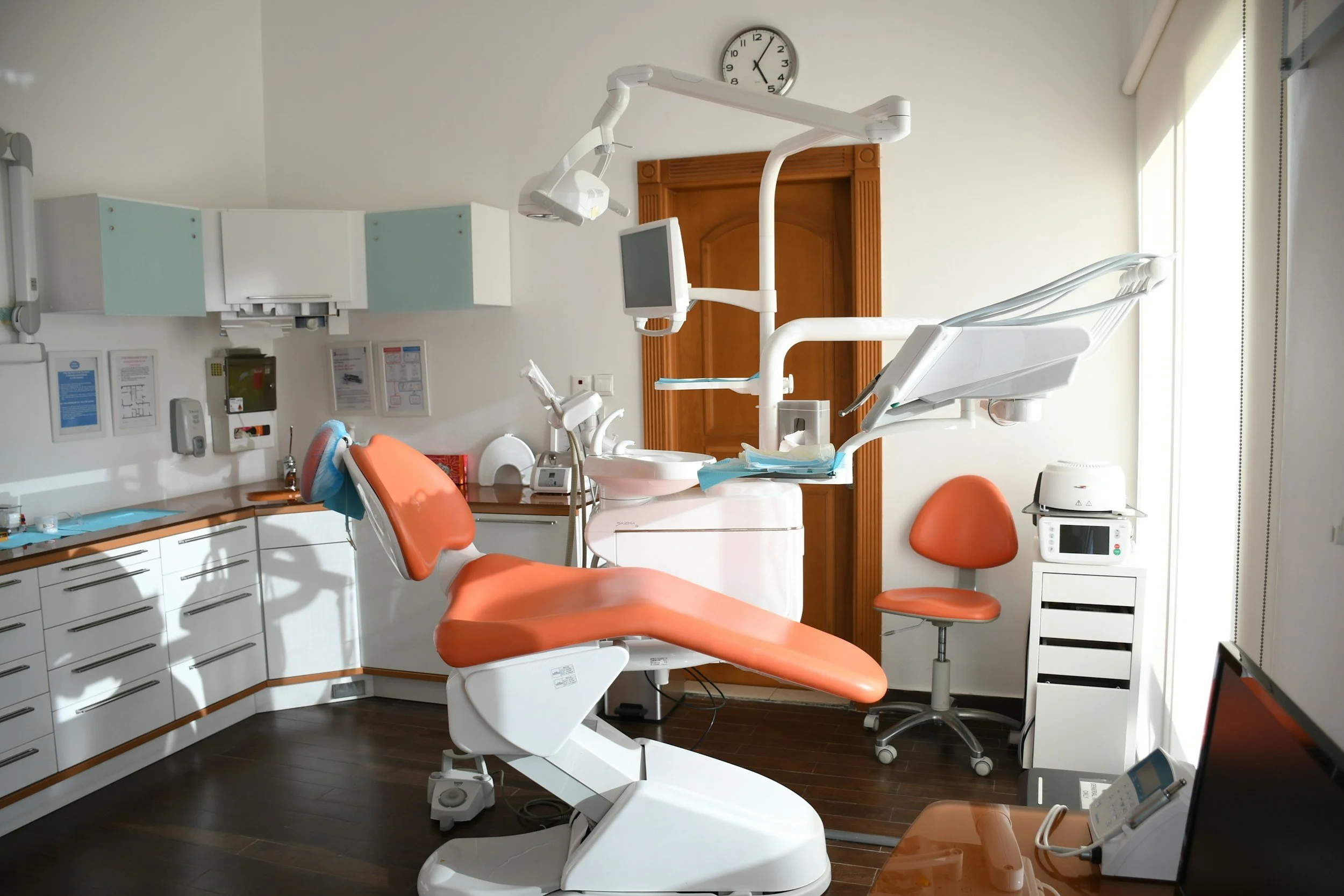
Dental surgeries, treatment rooms, laboratories, sterilisation equipment and compressed-gas systems.
Physiotherapy and Rehabilitation Clinics
Premises supporting patients with injuries, mobility restrictions or rehabilitation needs.
Optical and Audiology Practices
Customer-facing clinical premises with testing rooms, specialist equipment and people with sensory impairments.
Chiropractic and Osteopathic Clinics
Treatment practices used by people who may have temporary or ongoing mobility difficulties.
Veterinary Surgeries and Hospitals
Veterinary premises containing treatment rooms, kennels, medical equipment, gases and animal recovery areas.
Animal Treatment and Rehabilitation Premises
Facilities providing specialist treatment, recovery, rehabilitation or ongoing animal care.
Multi-Occupancy Health Centres
Shared clinical premises involving several providers, common escape routes and coordinated responsibilities.
Larger hospitals and complex clinical facilities may require specialist assessment against healthcare technical standards. We will confirm whether the premises falls within our competence before accepting the instruction.
Does a Clinic or Practice Need a Fire Risk Assessment?
Yes. Under the Regulatory Reform (Fire Safety) Order 2005, the responsible person must ensure that a suitable and sufficient fire risk assessment is completed, recorded and kept under review.
The responsible person may be the employer, practice owner, property operator, landlord or another organisation with control of the premises.
The assessment should reflect the building, the clinical activity, specialist equipment and the needs of the people using the premises.
What Does the Assessment Cover?
The assessment considers how a fire could start, how people would be warned and whether everyone could reach safety.
- Electrical and clinical equipment
- Sterilisation and decontamination equipment
- Medical gases and oxygen cylinders
- Medicines, chemicals and flammable products
- X-ray and imaging areas
- Heating and staff kitchen facilities
- Escape routes, stairs and final exits
- Fire doors and compartmentation
- Fire alarms and automatic detection
- Emergency lighting and fire safety signs
- Fire extinguishers
- Disabled evacuation arrangements
- Lone working and reduced staffing
- Contractors, patients and visiting professionals
- Testing, maintenance and emergency procedures
Where flammable substances or compressed gases could create a fire or explosion risk, a separate DSEAR assessment may also be required.
Patients May Need Assistance
People attending a clinic may have limited mobility, impaired hearing or sight, temporary injuries or health conditions that affect their ability to respond.
Some may be receiving treatment when an alarm activates or may be unable to use stairs independently.
The assessment considers whether employees understand their responsibilities and whether enough people are available to provide assistance during quieter periods.
- Accessible escape routes
- Patients receiving treatment when the alarm activates
- People unable to use stairs independently
- Staff responsibilities for providing assistance
- Communication with people with sensory impairments
- Procedures for treatment and consultation rooms
- Staff availability during quieter periods
- Personal Emergency Evacuation Plans where appropriate
Pharmacies and Dental Practices
Pharmacies and dental premises combine public access with secure storage, specialist products and clinical equipment.
- Oxygen and compressed-gas cylinders
- Alcohol-based products and aerosols
- Laboratories and preparation areas
- Sterilisation equipment
- Secure doors and controlled-access areas
- Basement or upper-floor treatment rooms
- Refrigeration operating continuously
- Other equipment operating outside normal hours
- Customers or patients requiring assistance
- Storage of medicines and clinical products
Security arrangements must not prevent doors from being opened quickly during an emergency.
Veterinary Premises
Veterinary practices need to protect people first while also planning, where reasonably practicable, for animals under their control.
The presence of animals, kennels, recovery areas, oxygen, anaesthetic gases and out-of-hours occupation can introduce additional considerations.
Emergency plans should remain realistic and should not expect employees to place themselves in danger attempting to rescue animals.
- Animals held in kennels or recovery areas
- Oxygen, anaesthetic gases and medical equipment
- Animal bedding, food and stored materials
- Isolation and treatment rooms
- Out-of-hours occupation
- Staff responsibilities during an evacuation
- Safe assembly or temporary containment areas
- Fire-service information concerning animals and gases
Clear Reports and Practical Actions
The report is designed to help practice managers, owners and facilities teams allocate responsibility and monitor progress.
Premises-Specific Scope
A clear description of the premises, clinical activity, occupancy and areas included within the assessment.
Hazards and Precautions
Identification of significant hazards, people at risk, existing precautions and photographs where helpful.
Prioritised Actions
An overall fire risk rating, clear recommendations and a practical action checklist.
Independent Professional Advice
Our service is led by a Chartered Health and Safety Practitioner and registered fire risk assessor with more than 20 years of professional experience.
We do not sell fire alarms, extinguishers or remedial work. Recommendations are independent and proportionate to the premises.
Where specialist healthcare, fire-engineering or DSEAR input is required, this will be identified clearly.
Additional Support Through JCH Safety
Clinical Fire Risk Assessments Across Cornwall
Supporting medical, dental, pharmacy and veterinary businesses throughout Cornwall.
Penzance, St Ives, Hayle, Helston, Falmouth, Truro, Newquay, Redruth, Camborne, St Austell, Bodmin, Wadebridge, Liskeard, Launceston, Bude and surrounding areas.
Request a Fixed Quotation
Whether you operate a dental practice, pharmacy, private clinic or veterinary surgery, Cornwall Fire Risk Assessments can help make your fire safety responsibilities clear.
Contact us with the premises location, approximate size, number of floors and type of clinical activity. We will confirm the scope and provide a fixed quotation.